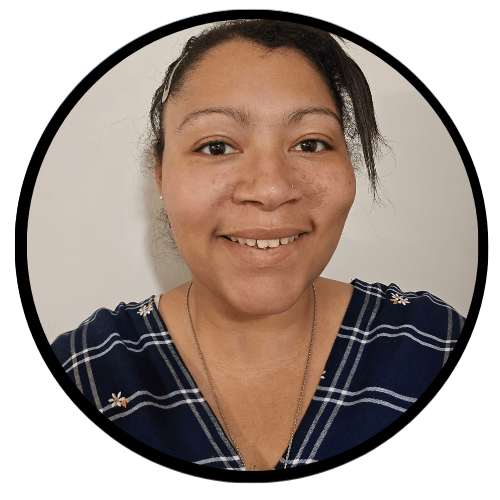
My Lived Experience Within Employment Undiagnosed and Unsupported
The Reality of Working Undiagnosed & Unsupported
For years, I struggled to stay in employment and at the time, I thought I was the problem.
Only later did I realise that a lot of it came down to being an undiagnosed autistic, ADHD and dyslexic woman with other hidden disabilities and chronic illnesses. Not only that, but left unsupported, trying to work in environments that weren’t built for how my brain personally worked.
Before my first diagnosis of ADHD in 2018, I worked in a range of roles. These included house keeping, catering, waitressing, bar work, carer and support worker for, ironically, neurodivergent residents.
On paper, it probably looked like I just couldn’t “stick to a job”, but the reality was much more complicated than that.
What I often struggled with most wasn’t the work itself. In many cases, I was more than capable of doing the job! The difficulty came from how rigid, many workplaces were about how tasks had to be done.
In my case, my brain naturally looks for patterns, solutions and different ways of approaching things. Quite often, I could see another way of completing a task that would still lead to the exact same outcome. However, many employers weren’t very open to that.
Expectations were always that things had to be done their way, even if another approach would still achieve the same result.
Trying to force myself to follow processes that didn’t make sense to me often led to confusion, frustration, anxiety, overwhelm and even burnout multiple times. At the time, I didn’t truly understand why I was reacting that way either. I just thought I was the problem and that I had to just "deal with it".
When Systems Don’t Allow Different Ways of Working
There were also smaller things that might seem trivial on the surface but mattered a lot in practice.
For example, when I used to work as a waitress, we were required to wear specific black shoes. Because of sensory discomfort that I wasn't aware of during that period of time, I struggled to wear them, so I tried coming in with completely black trainers instead. They were tidy, professional and still matched the uniform.
As a result, I was told that if I wore them again, I shouldn’t bother coming back to work.
At the time, I felt like a failure all over again.
Looking back now, I can see that what I actually needed was flexibility, understanding, and space. At least then, I would have been able to work in ways that still achieved the goal, even if the method looked slightly different.
Where My Journey Took Me Next Years Later
After years of trying to fit into environments that weren’t designed with neurodivergent thinking in mind, I eventually chose a different path.
Self employment allowed me to work in ways that actually align with how my mind operates. It also allowed me to build something that reflects the kind of inclusive thinking I wish more workplaces had.
Experiences like this are a part of what led me to create Inclusion Support Hub. Above all, there are so many talented people out there who struggle in traditional employment. And, it’s not because they lack ability, but because the systems around them don’t always allow for different ways of working.
Sometimes, the question shouldn’t be:
“Why can’t you do it this way?”
Instead, it should be:
“Is there another way that still works and best for you?”
If you’re struggling to identify your priorities
If you’ve got so many ideas that you’re losing track of what needs your attention, try putting them somewhere you can come back to. A sticky note, a notebook or a tool you already use. Whatever works for you.
Then ask yourself: what needs my attention now, how will it help the people I want to support, and what can wait?
That’s what I’m putting into practice myself. My other ideas are still there. For now, my next step is listening to the people I want to support.
And sometimes, allowing different ways of working doesn’t reduce the quality of the outcome. It could simply allow people to do their best work.